


PhD., Prof. Robert Arlinghaus
Robert Arlinghaus is professor of integrative fisheries management at Humboldt-Universität zu Berlin and the Leibniz Institute of Freshwater Ecology and Inland Fisheries in Berlin, Germany. Prof Arlinghaus has authored more than 380 peer-reviewed publications and several books. He is recipients of multiple scientific and science communication awards.

PhD., Prof. Anti Vasemägi

Anti Vasemägi is an evolutionary biologist dedicated to understanding how genomic diversity translates into phenotypic variation and how it is shaped by both adaptive and non-adaptive processes. Focusing primarily on aquatic species, his work integrates population genetics, environmental DNA (eDNA), -omics, and field ecology to explore how organisms interact, disperse, and adapt to their environments. Through the application of advanced genomic methodologies and eDNA tools, his research group seeks to bridge the gap between genotypes and phenotypes, building a deeper understanding of population vulnerability and ecosystem resilience. Ultimately, his team aims to provide science-based solutions that support healthy fish populations, safeguard aquatic biodiversity, and promote the long-term sustainability of ecosystems facing global environmental challenges.
PhD., Assoc. Prof. Christian Skov
Christian Skov is an Associate Professor at DTU Aqua specializing in freshwater fisheries ecology, fish behavior, citizen science and recreational fisheries management. His research spans more than two decades and includes over 70 scientific publications and extensive contributions to lake ecology, fish migration, and sustainable fisheries management with a particularly strong profile in citizen‑science–driven research. He has pioneered large‑scale public data‑collection initiatives—most notably Fangstjournalen—which engage thousands of recreational anglers and generate unique, high‑resolution datasets for fisheries management. He plays or has played central roles in international working groups under ICES and EIFAAC and also teaches and develops unique university courses on recreational fisheries management.

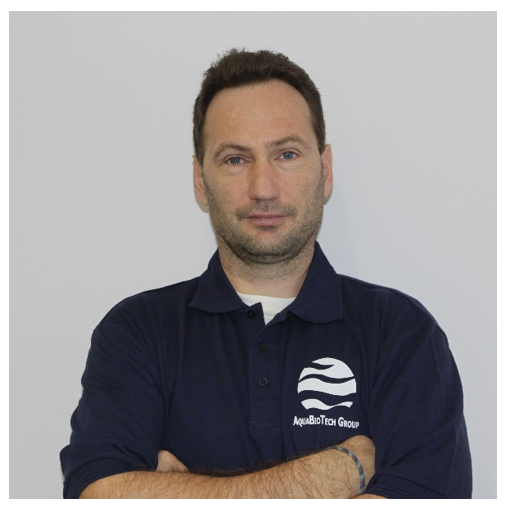
Tamás Bardócz – Eurofish consultant
Tamás Bardócz is a Senior Project Manager of the Eurofish International Organisation. He is an aquaculture and fisheries expert with 30 years of professional experience including fish production, research and innovation, aquaculture technology development, environmental sustainability, policy and international project management. He began his career in freshwater aquaculture, working in fish production, research and consultancy. He later served as a high-level governmental official in Hungary, responsible for national fisheries and aquaculture policy and representing the country in EU-level decision-making. He subsequently worked in Malta as an aquaculture consultant and research director, managing international aquaculture and fisheries research, innovation and consultancy activities. In recent years, he has worked in angling tourism and fisheries management at Lake Tisza and in aquaculture innovation management. He currently works at Eurofish, developing and managing international fisheries and aquaculture projects.


