Small and medium-sized rivers are important for maintaining healthy lamprey populations – BIOR research finds
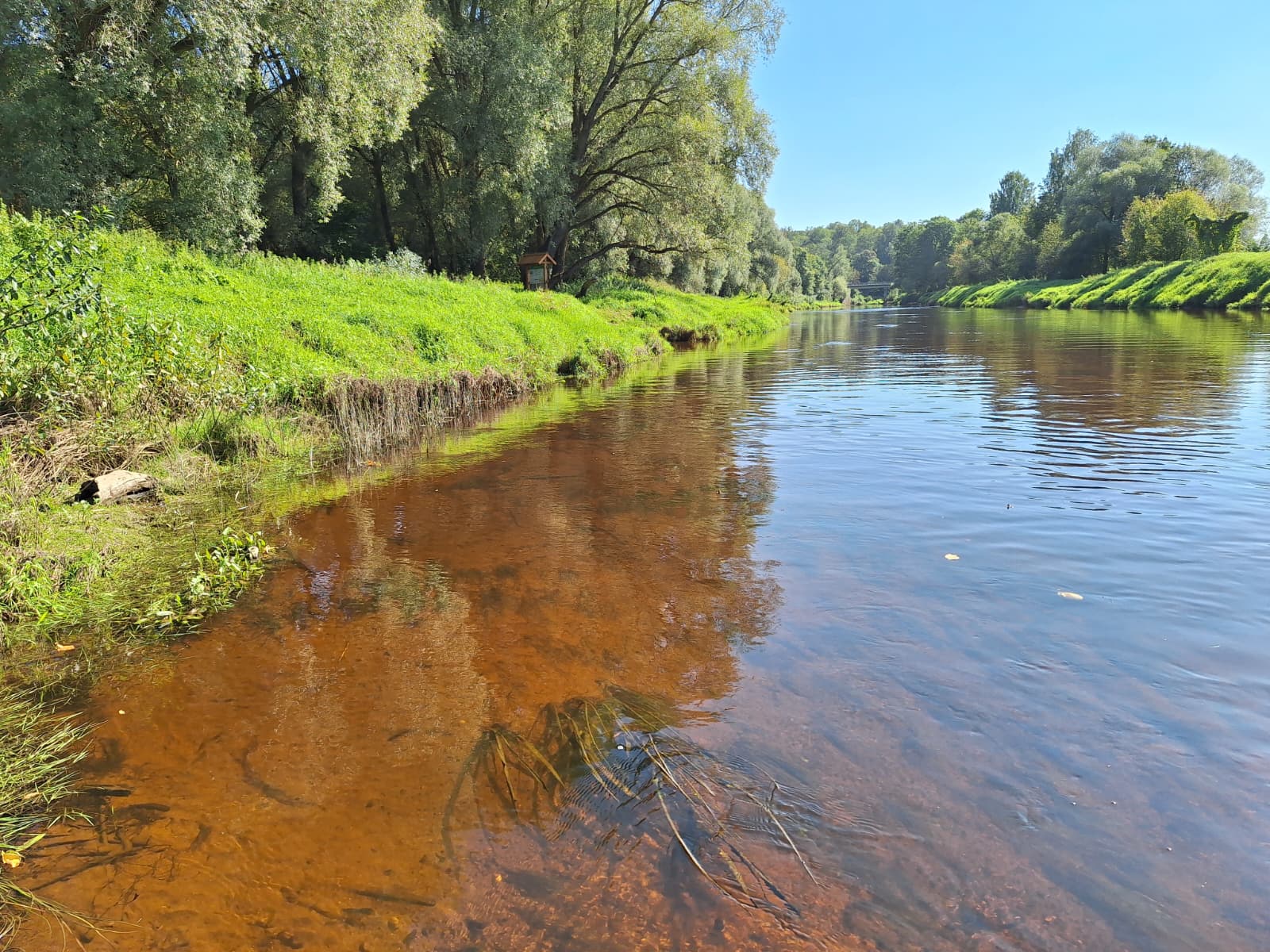
27.10.2026More than a decade of work devoted to lamprey larval monitoring has yielded not only an assessment of population status but also scientifically valuable insights. Researchers from the Institute of Food Safety, Animal Health and Environment “BIOR” — Kaspars Abersons, Didzis Elferts, Patrīcija Raibarte and Inta Dimante-Deimantoviča – found that smaller, colder and faster-flowing rivers are dominated by larvae from younger age groups, whereas in larger and slower-flowing rivers, the proportion of larger and older lamprey larvae increases significantly. In other words, smaller and faster-flowing rivers are important primarily for lamprey spawning and the first years of life, while larger and slower-flowing rivers support the further development of older larvae.
The study results have been published in Scientific Reports, a journal published by Nature Portfolio: https://www.nature.com/articles/s41598-026-75795-4.
The study analysed data collected during lamprey larval monitoring, covering a 12-year period, 32 rivers, 177 survey sites and the lengths of 13 920 larvae. The analysis was conducted using size-spectrum analysis, which makes it possible to compare the length structures of lamprey larvae sampled at different locations.
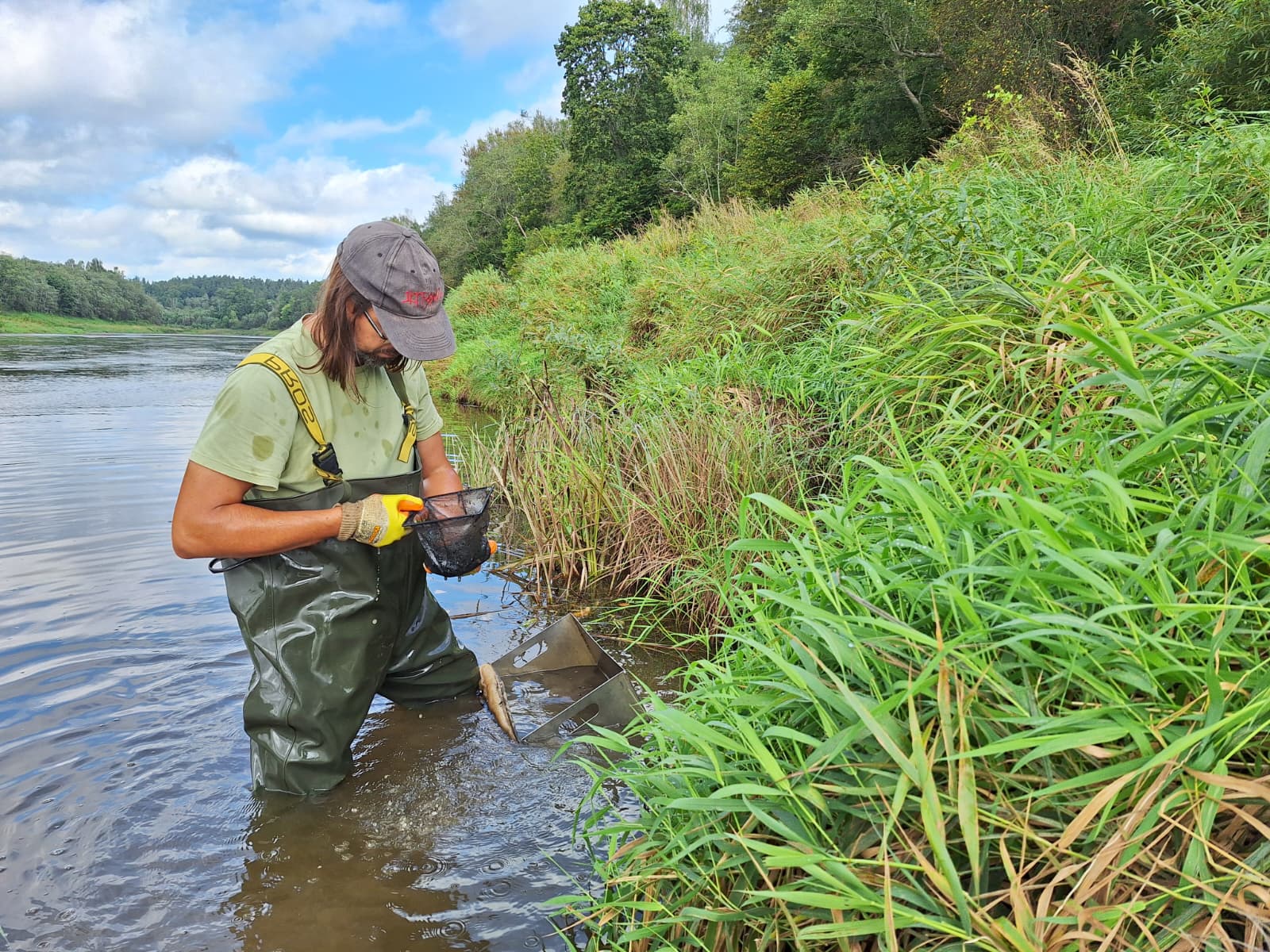
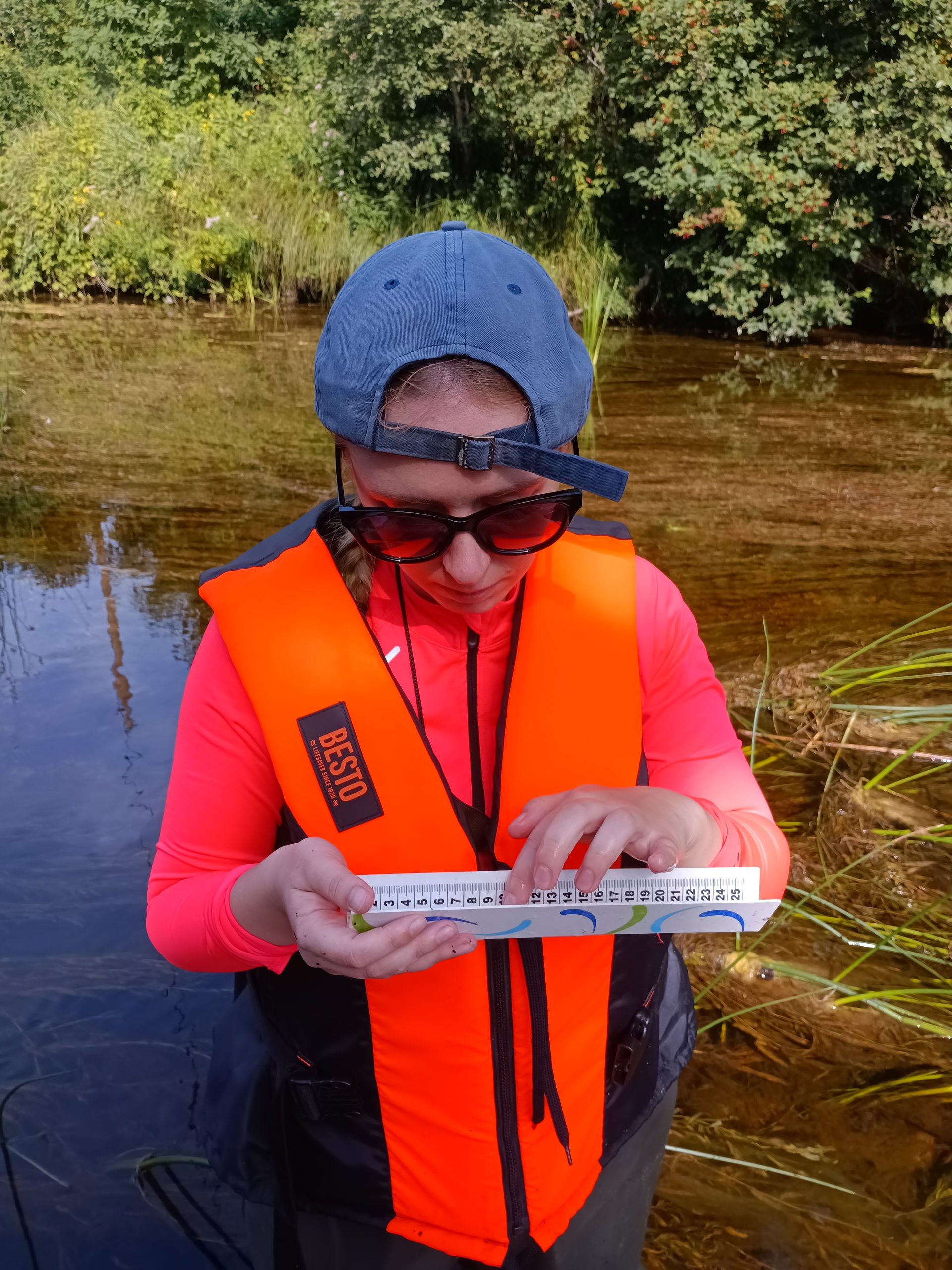
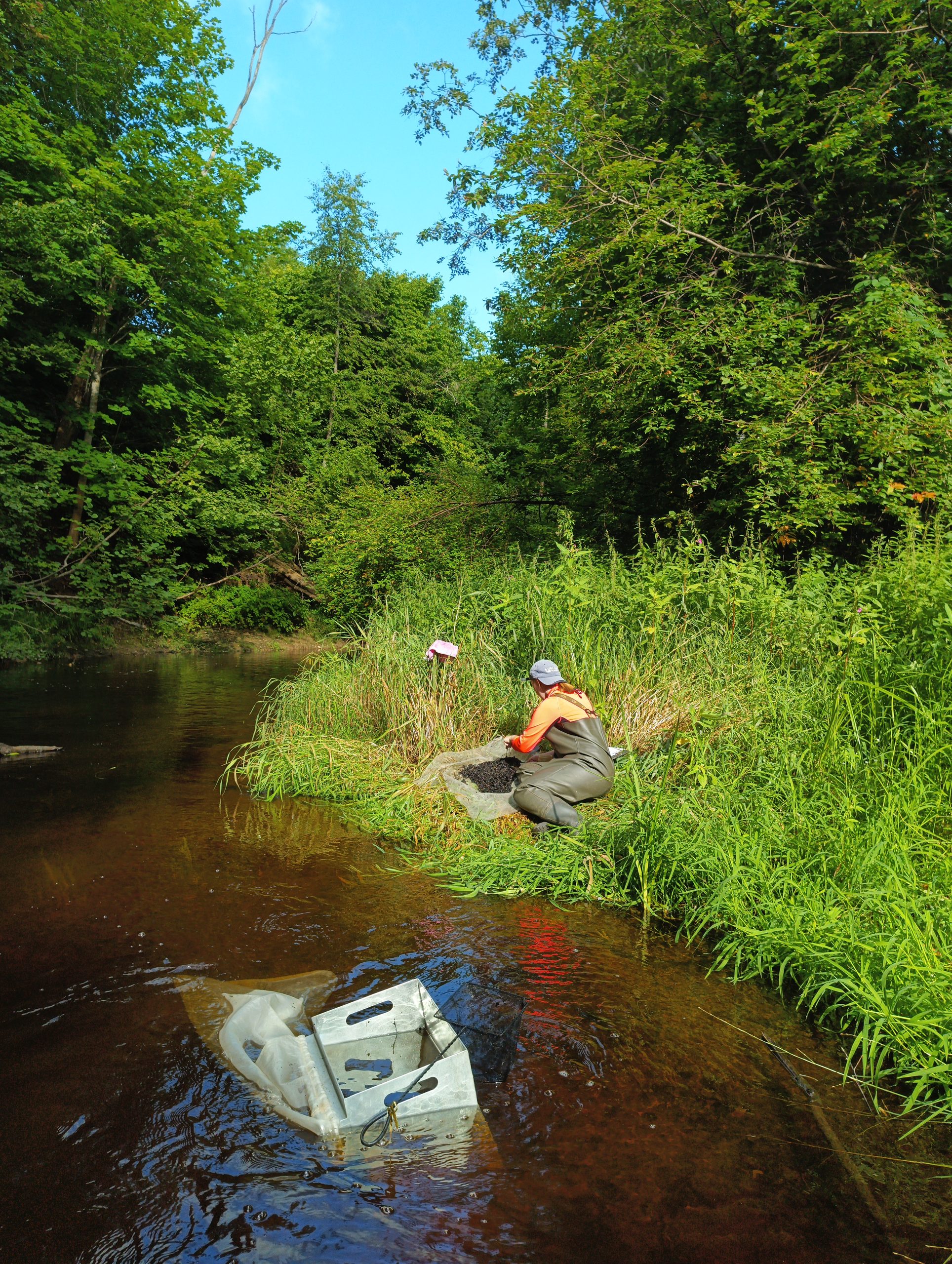
BIOR researchers have been conducting regular lamprey larval monitoring since the institute was founded in 2010. The monitoring begins in August, when most first-year lamprey larvae have reached a length of at least 15 mm, and continues until mid-September. The monitoring covers the Gauja, Venta and Salaca rivers, as well as their tributaries and other watercourses.